Behind the Decks: With Anja Schneider

Lesezeit 8 min

BEHIND THE DECKS: WITH ANJA SCHNEIDER

The original interview was conducted in German.

With Anja Schneider, we’re featuring an artist who has helped shape the electronic music scene for more than 25 years — navigating the worlds of house, techno, radio, the studio, and the club. In this interview, she talks about why groove and emotion are inseparable in her music, how Detroit and the late ’90s continue to influence her sound, and why club culture remains an essential social space.

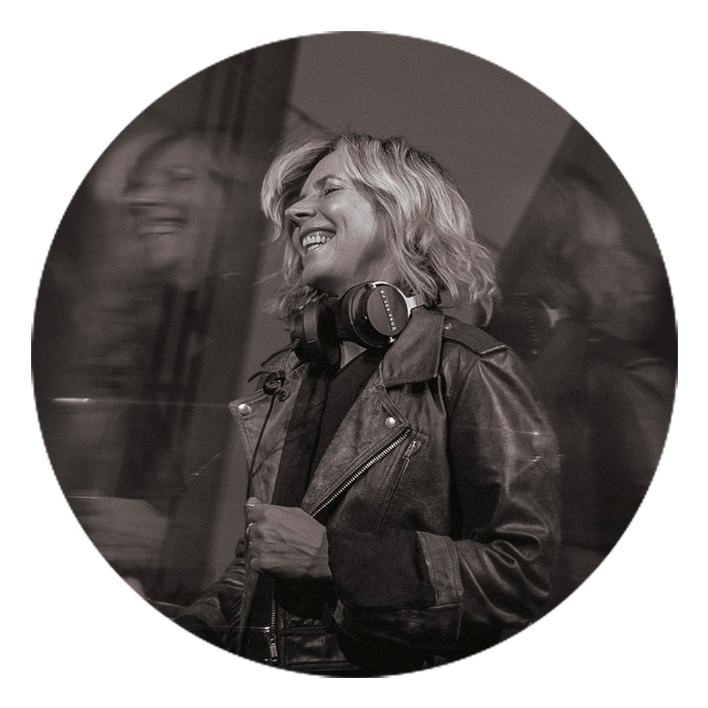
In the interview: Anja Schneider

TABLE OF CONTENT

About Anja

beyerdynamic Blog: You’ve played a significant role in shaping the electronic music scene over many years. How would you describe your current artistic focus to people who are just discovering your work?

Of course, I’m always happy when new people discover my music. I’ve been making electronic music for more than 25 years and have never tried to chase trends. My sound sits somewhere between house and techno, but in the end, it’s less about genres and more about a certain feeling.

For me, music has to groove above all else. That moment when a track connects people on the dance floor and sparks something within them is what drives me. At the same time, emotion plays a huge role. I don’t just want to deliver beats—I want to tell stories, create atmospheres, and move people.

If people go home after a set or a release and say, “That gave me a really great time,” then I’ve achieved my goal.

beyerdynamic Blog: Your roots are also in radio. What did your work at Kiss FM and later your own show on Radio Fritz teach you about music and audiences that still helps you today as a DJ and podcaster?

Working in radio – first at Kiss FM, then at Fritz and Radioeins – has had a profound impact on me, both musically and personally. It allowed me to discover a vast amount of music while also learning how to read the mood of an audience and understand what moves people.

That ability still helps me today, whether I’m behind the decks or hosting my podcast, Anja Schneider’s Backstage. My journalistic experience from more than 30 years in radio enables me to have engaging conversations and uncover the stories behind the music.

beyerdynamic Blog: What was the defining moment when “I love this music” turned into “I need to DJ and produce it myself”?

I never had a grand master plan to move from radio and journalism into DJing and music production – it all happened very organically. My radio shows led to my first DJ bookings, and suddenly I found myself not only behind the microphone, but also behind the decks.

As I immersed myself more deeply in music, I eventually felt the urge not just to curate and play records, but to express my own sounds and moods through original tracks. That’s how a radio host gradually became a DJ and later a producer – naturally, one step at a time.

beyerdynamic Blog: Is there a sound, a record, or an era that continues to influence you to this day?


My biggest influences clearly come from the late 1990s. That period shaped me tremendously as an artist and continues to do so today. Detroit, in particular, plays a special role for me – it’s one of the most important birthplaces of electronic music.

The artists from Detroit created something that goes far beyond individual tracks or trends. The combination of futuristic sounds, groove, soul, and deep emotionality fascinated me from the very beginning. That approach to music still guides me today and continues to shape my own sets and productions.

That’s why Detroit will always remain a defining reference point for me – not only musically, but also in terms of how electronic music can connect and move people.

Musical Identity

beyerdynamic Blog: How would you describe your sound? What makes it unique?


The term “Schneiderhouse” was coined by friends and long-time companions and simply stuck over the years. For me, it describes my sound very well because I’ve always moved between house and techno.

Both worlds have shaped me, without me ever wanting to commit fully to one side. To me, Schneiderhouse is less a genre and more of an attitude: groove-driven, emotional electronic music with depth – music that brings people together on the dance floor.

beyerdynamic Blog: As a radio host, you spent many years searching for new music. Which genres, artists, or scenes currently make you feel that something genuinely new is emerging?


Right now, I find it difficult to identify anything that feels completely new. What I do find exciting, however, is how a younger generation is rediscovering the sounds of the 1990s and early 2000s and placing them in a new context.

These aren’t simply copies—they’re original interpretations shaped by fresh influences and new perspectives. That’s exactly what makes electronic music so fascinating to me: it continues to evolve while still keeping its history alive and audible.

Club vs. Studio: From Workflow to the Dancefloor

beyerdynamic Blog: You’ve been moving between clubs, the studio, and broadcasting for decades. How has the way you prepare music changed over the years—and what has stayed the same?

To be honest, not that much has changed. To this day, I listen very carefully to my music before every radio show and every DJ set. It’s important for me to understand the mood a track conveys, the details it contains, and how it can connect with other pieces of music.

What has changed most is the medium itself. It all started with vinyl, then CDs became part of the process, and today I work mainly with digital files. But regardless of the format, my approach remains the same: listening closely, selecting thoughtfully, and using music to tell a story.

In the end, it’s not about which medium a track is stored on – it’s about how the music reaches people and the emotions it creates.

beyerdynamic Blog: In your experience, which skills separate DJs who remain successful over the long term from those who disappear after a short time?

For me, a great DJ set starts with exceptional track selection. What matters is which records work together, what kind of story they create, and how you can surprise people along the way. It’s not just about well-known or successful tracks, but also about undiscovered gems that can have a special impact when played at exactly the right moment.

This blend of the familiar and the unexpected is what makes a set exciting and distinctive.

Ultimately, it’s about creating a vibe that draws people in and brings them together. If that results in a shared experience, then that’s successful DJing in my eyes.

beyerdynamic Blog: At what point in your workflow do you notice most clearly whether you can truly trust a pair of headphones?

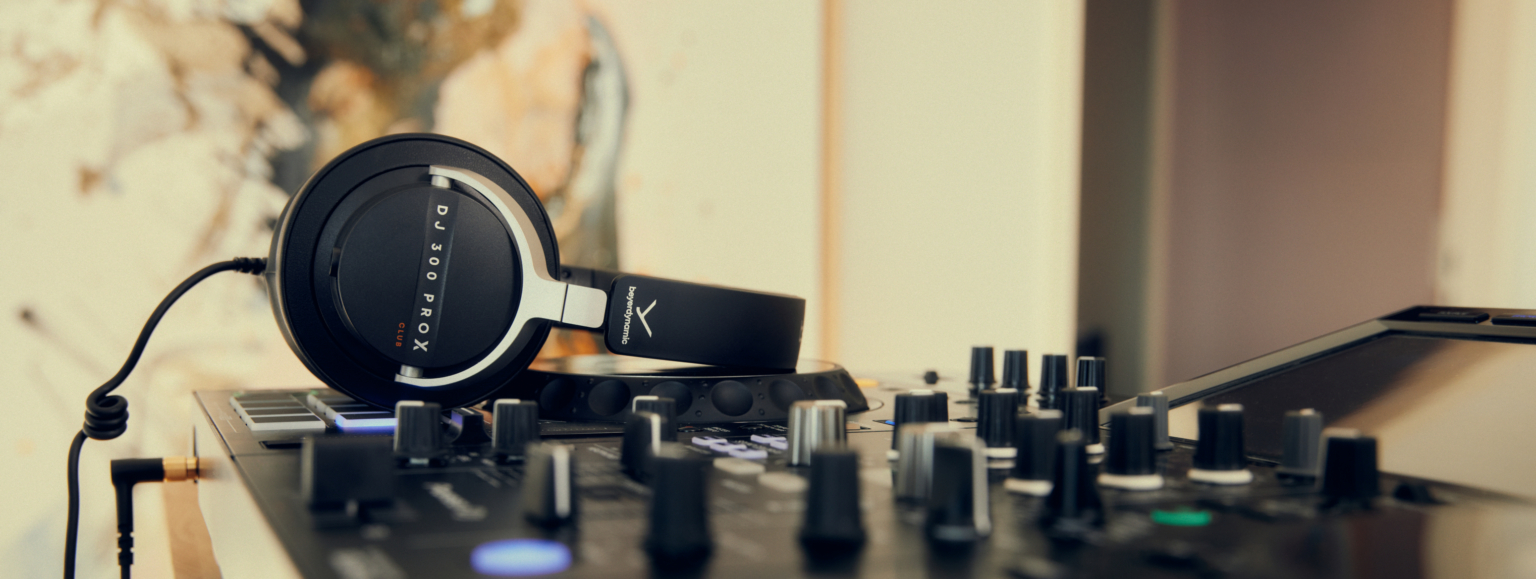
Honestly, the DJ 300 PRO X CLUB won me over immediately while DJing. I started playing with the headphones right away and haven’t switched since.

Before that, I had been using another model for many years, so naturally I was very familiar with it. That made it even more surprising how quickly I felt comfortable with the new headphones. They give me a strong sense of confidence, allow me to work with precision, and simply make me trust what I’m hearing.

For me, that’s incredibly important when DJing. When your gear works intuitively and you can rely on it completely, you’re free to focus entirely on the music and the moment. And that’s exactly what I’m enjoying so much right now.

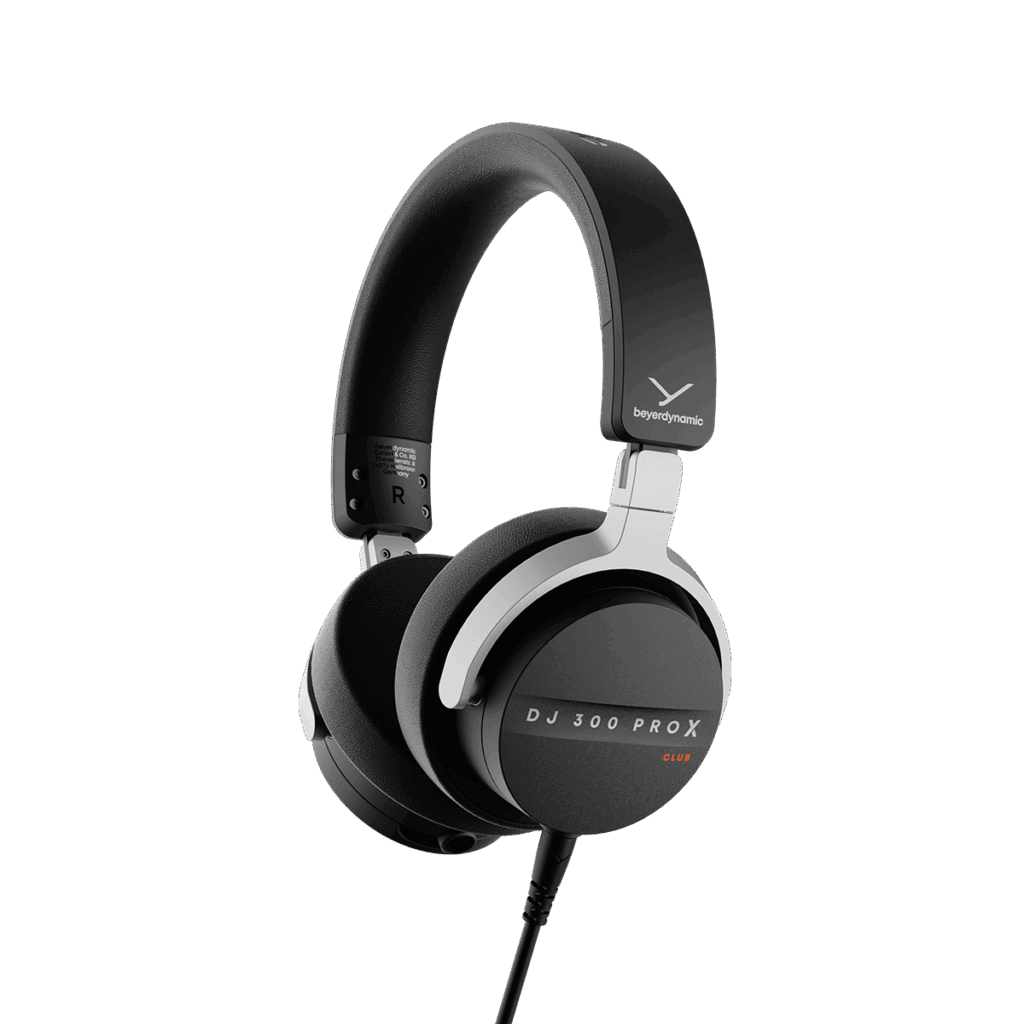
DJ 300 PRO X CLUB

beyerdynamic Blog: How do you manage to translate studio ideas authentically to the dance floor?


Interestingly, it’s usually the other way around for me. I take the impressions, energy, and emotions from a club night or the dance floor back into the studio and try to capture exactly that feeling in a track.

What fascinates me is understanding why certain moments on the dance floor work so well and how that energy can be translated into music. Those experiences are often a major source of inspiration for my productions.

Memorable Events

beyerdynamic Blog: What was your most unforgettable gig — and why?

There isn’t one single gig that stands out above all others. I’ve simply been fortunate enough to experience too many special moments throughout my career.

What I appreciate most is the connection that music creates. When people book me, there is already a shared language between us—and that language is music. Time and again, this leads to memorable encounters, wonderful experiences, and powerful emotions that stay with you.

That’s why I don’t necessarily measure a performance by the size of the club or festival. What matters most to me is the atmosphere, the energy in the room, and the connection with the audience. And honestly, as long as the sound is good, I’m happy.

beyerdynamic Blog: Do you remember the most unusual event you’ve ever played?

I’ve had the privilege of performing in many extraordinary places, so it’s difficult to single out just one.

I’ve played in a decommissioned subway station, in a restroom, on a truck during a parade, and even at Berlin’s Victory Column. Locations like these have their own unique charm because they create a very special atmosphere.

That variety is what still makes life as a DJ so exciting for me—you never know where the next unforgettable memory will be made.

beyerdynamic Blog: You were a resident DJ at Berlin’s Watergate from 2003 to 2005. When you compare that era to today, what changes in club culture stand out the most?

Club culture is currently facing major challenges. While progress has certainly been made over the years, clubs are still not widely recognized for what they truly are: important cultural venues and social spaces.

Rising costs, gentrification, and declining financial support are putting increasing pressure on clubs, operators, and event organizers alike. That makes solidarity within the scene more important than ever—and highlights the need to demonstrate the value of this culture.

To me, club culture is about far more than entertainment. It creates spaces for connection, exchange, creativity, openness, and diversity. That is exactly why it remains essential for a vibrant and healthy society.

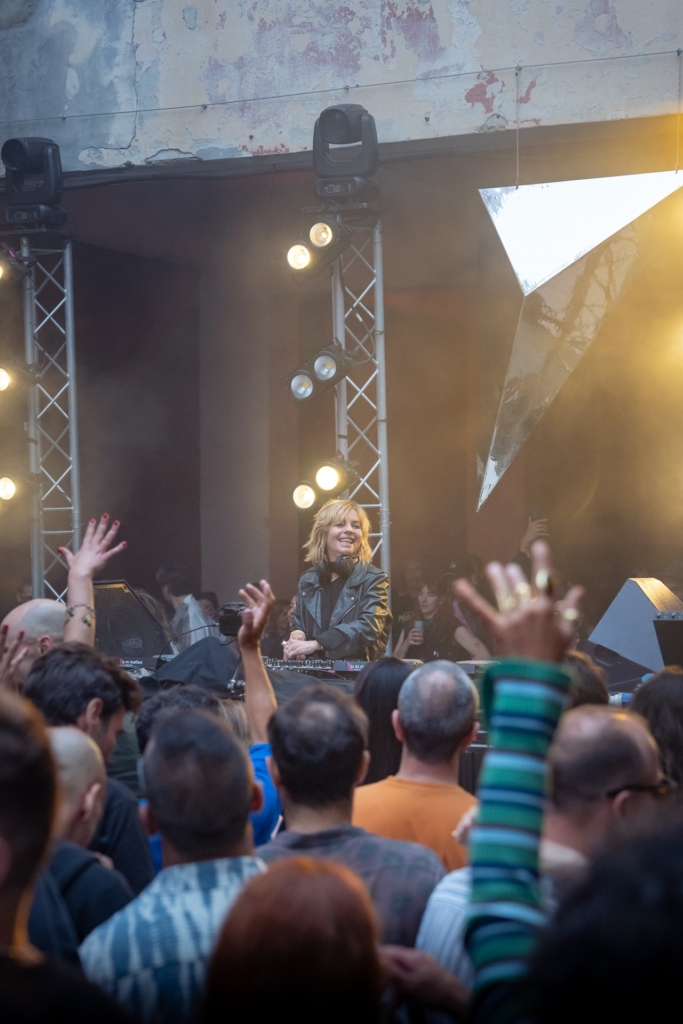
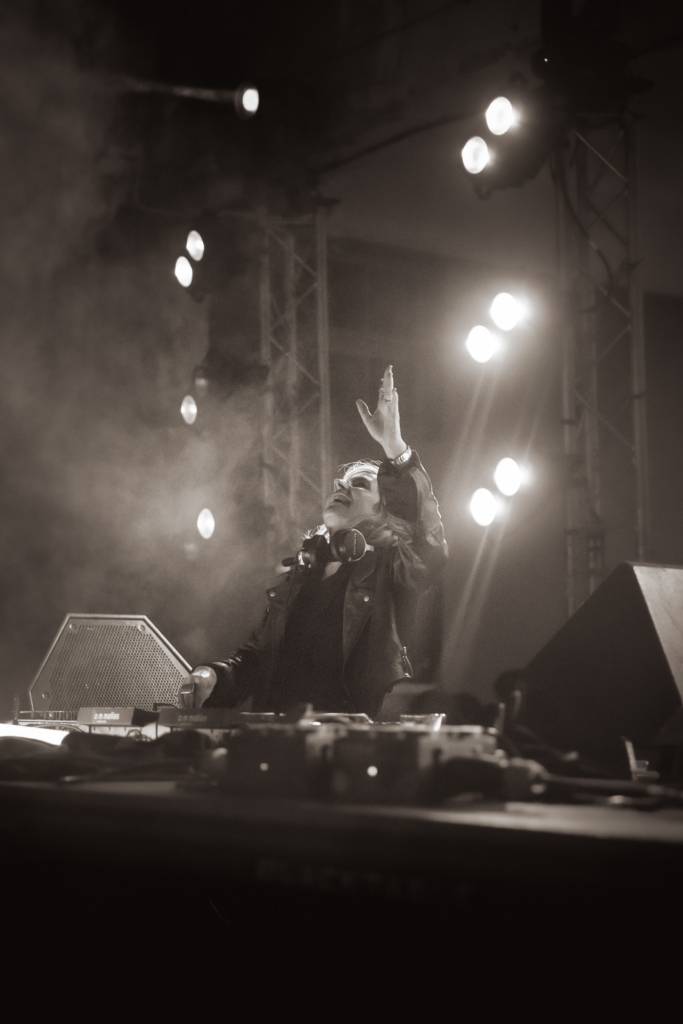
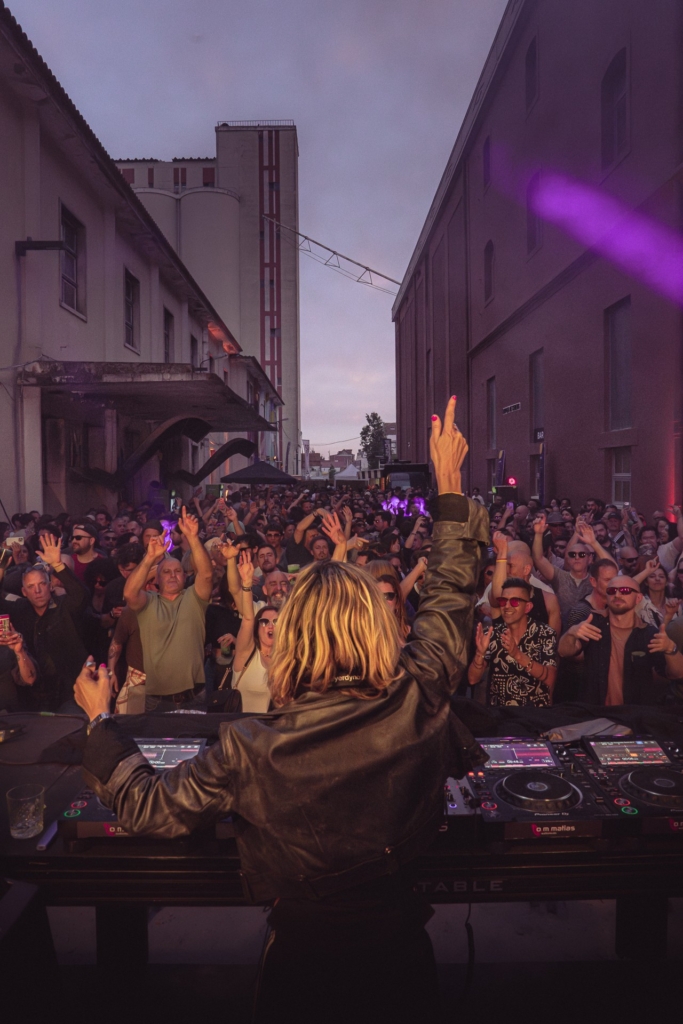
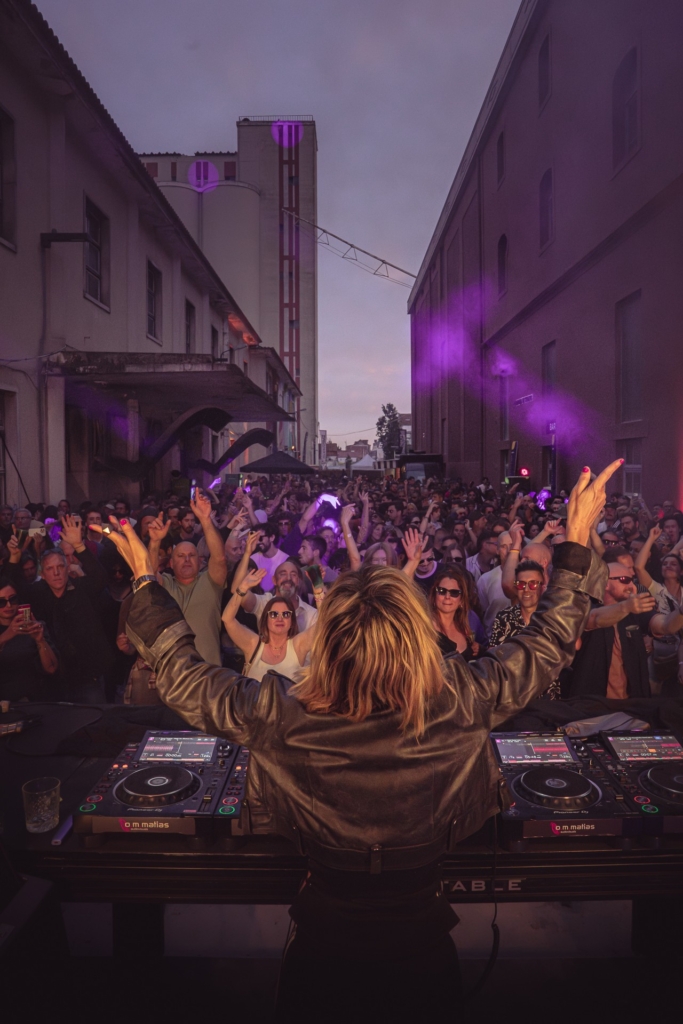
Anja with the DJ 300 PRO X CLUB in action

Tips and Inspiration

beyerdynamic Blog: What makes a great DJ set for you—and what three specific pieces of advice would you give aspiring artists looking to take their sets to the next level?

  1. Stay true to yourself: Trends come and go, but a genuine musical identity can last for years.
  2. Connect with the crowd: A great DJ set is created through a dialogue with the people on the dance floor—understanding the energy in the room while telling your own story.
  3. Take risks: It’s often the unexpected moments that make a set truly memorable. In the end, it’s about standing out—not by being louder than everyone else, but by having something unique to say.


beyerdynamic Blog: Thank you, Anja, for your time and for sharing these inspiring insights into your journey, your music, and your perspective on club culture. Rave on!

Stay up to date and follow Anja: 
visit the Artist Page

Mentioned products:
DJ 300 PRO X | beyerdynamic

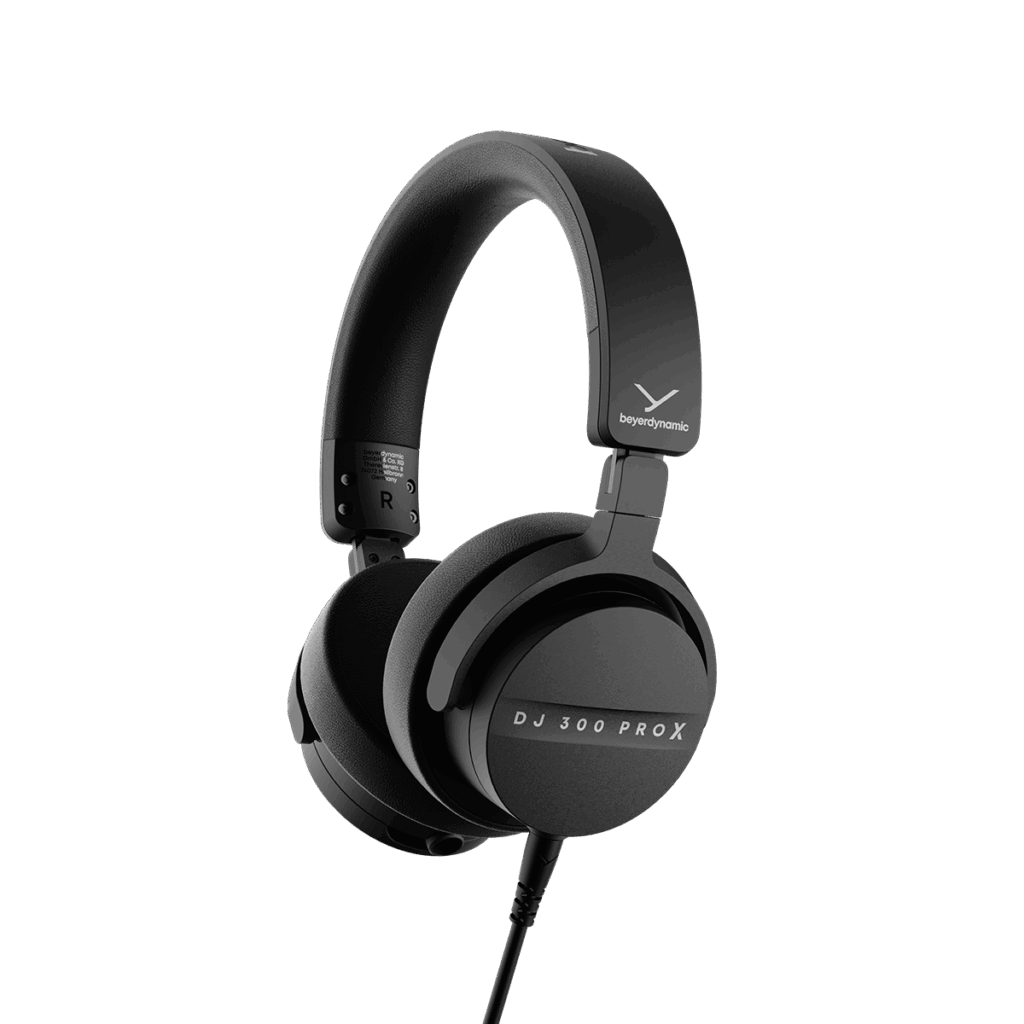
DJ 300 PRO X
Professional 2-in-1 DJ-Kopfhörer

DJ 300 PRO X CLUB
Professional 2-in-1 DJ-Kopfhörer

Wie bewertest du diesen Artikel?

Rating: 0 / 5. Anzahl Bewertungen: 0

Did you find this article helpful?