beyerdynamic meets OMR Podcast

Lesezeit 9 min

BEYERDYNAMIC MEETS OMR PODCAST

What do Pamela Reif, JP Performance, and the CEO of Hitschler have in common? Exactly – they’ve all been guests on the OMR Podcast, one of Germany’s most renowned business formats that offers fascinating insights into success strategies, tech trends, and the digital transformation of founders, investors, and companies.

Podcasts have become an indispensable part of our everyday lives – from the commute to work to cooking in the evening – something the experts at OMR recognized early on. In this interview, together with OMR, we take a look behind the scenes of podcast production – from the first idea to the final release. Audio expert Michael reveals what really matters and which trends are currently shaping the industry.

In the Interview: Michael Deubele
Producer OMR Podcasts

INHALTSVERZEICHNIS

beyerdynamic Blog: To start, could you briefly introduce yourself to our blog readers and tell us why podcasting fascinates you?

Michael: Hi, I’m Michael, 28 years old, and I’m responsible for the audio and video production behind the OMR Podcast. My interest in the medium began during my sound engineering studies – initially out of technical curiosity, but today I’m especially excited by how podcasts have become one of the most influential media formats of our time. It’s thrilling not just to observe this development but to actively shape it.

Podcast Production Process

beyerdynamic Blog: What does a typical podcast production process look like for you – from idea to release?

Michael: Many people think podcasts are quickly made – plug in the mic, hit record, done. At its core, that’s true, but to be successful long-term in a professional environment, it takes much more planning, refinement, and structure. I’ll deliberately speak here not about the OMR Podcast itself, but about our general production process at the company.

It usually starts with an internal idea or an external inquiry. Then our creative and concept team develops a rough concept, which is refined into a detailed final concept after alignment.

We often produce a pilot episode to test the format for uncertainties, content weaknesses, and final technical details. In parallel, visual and audio assets such as intros, jingles, or music beds are created. Then comes the recording phase – depending on the project, we record in blocks or individually. In post-production, the tracks are mixed, sonically optimized, and the final audio or video edit is completed.

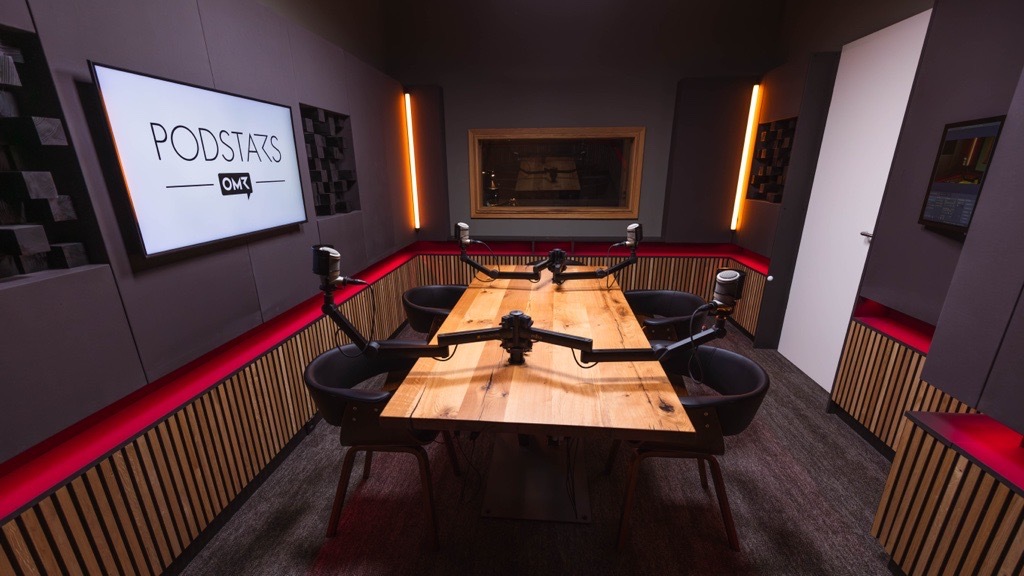
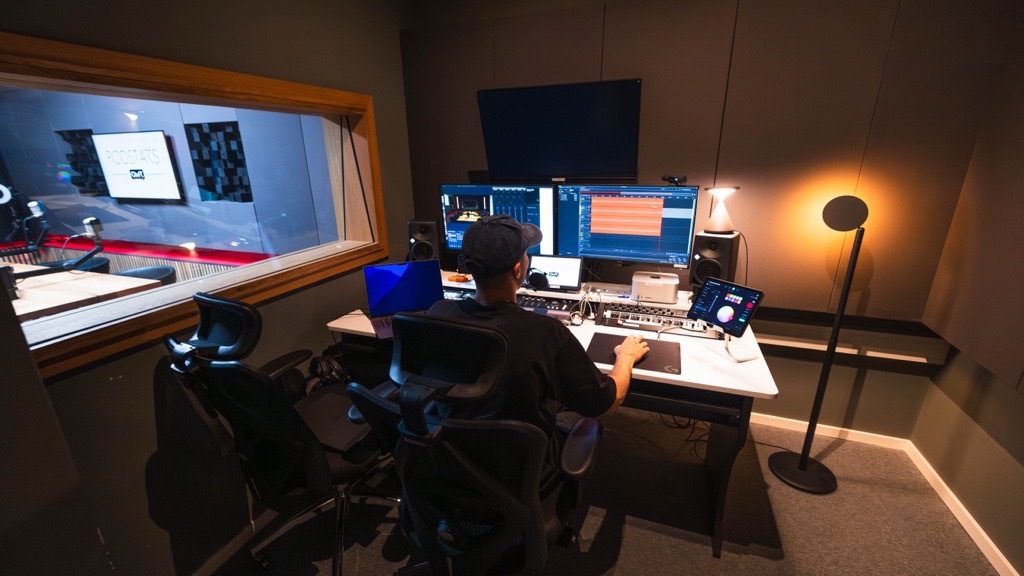
A look inside the OMR Podcast studio:

We now also create short snippets for social media to increase the reach of a format and extend the podcast to other channels. Afterwards, the finished episodes are exported and published on all major platforms like Spotify, Apple Podcasts, or YouTube. During the entire release period, we create reports to analyze the performance of the episodes – allowing us to evaluate and feed the results back into format optimization.

Ultimately, a successful podcast production requires a strong team of experts from various fields such as campaign management, concept development, social media, graphics, video, and audio production. Only then does a coherent final product emerge.

Podcast Recording

beyerdynamic Blog: How do you prepare for a podcast recording? Feel free to share your personal podcast preparations too.

Michael: At OMR Podcast, there are basically two scenarios: Either we record in our professional video and sound studio or directly at the guest’s location – be it in meeting rooms, offices, living rooms, or even gardens.

In the studio, it’s straightforward: lighting, sound, and cameras are already installed and calibrated. My task is to start the technology and set up a recording session – then we’re good to go. On-site recordings are much more complex. I ask for photos of the room in advance to plan the setup. This usually includes four video cameras, one photo camera, 2–4 microphones, and appropriate lighting.

Podcast Setup OMR bei JP Performance
OMR Podcast as a guest at JP Performance

We typically set up about two hours before the recording and check all potential sources of error:

  • Is an air conditioner humming?
  • Is a chair creaking?
  • Are there background noises?
  • Are guests consistently positioned in front of the microphone? Is there enough space between microphones?

After setup, the recording runs similarly to the studio: start the tech, set up the session – and off we go.

My most important preparation tip for both scenarios is simple but essential: Always check the equipment beforehand – ideally twice and with enough lead time.

beyerdynamic Blog: What role does audio quality play for you and how do you ensure the sound is right?

Michael: Even though I’ve developed a strong passion for video, one rule still stands for me: sound before image. The best cinematic picture is useless if the sound isn’t right. Especially in podcasts, audio quality plays a central role – it must impress across all playback devices, whether on a phone, in a car, or with headphones.

In an increasingly professional environment, listener habits have changed: poor sound is simply no longer tolerated. Ensuring good sound starts with the basics: a good recording is key. A laptop microphone in a reverberant room will never sound as good as a high-quality audio recording. Post-production and modern technology help optimize the sound but can’t replace a solid foundation. Building on that, we ensure a technically correct mix: loudness and frequency response are the most important aspects, and we may also reduce reverb and noise so the recording plays optimally on all systems.

There are many paths to get there: EQ, compression, manual mixing, restoration software, or adjustments to recording conditions – sometimes even a re-recording. Ultimately, it’s a combination of technology, experience, and careful work that ensures flawless sound.

beyerdynamic Blog: How do you handle challenges like background noise or remote recordings?

Michael: Great question. Unfortunately, such challenges can’t always be completely avoided and sometimes result in slightly poorer outcomes. At OMR Podcast, we try to avoid them as much as possible by traveling to guests when in doubt. If that’s not possible, we make the best of the conditions: we send guests a detailed briefing and a USB microphone. Before recording, we conduct a tech check where small adjustments can be made: a key point is the distance to the microphone – the closer, the more direct signal is captured, reducing background noise.

The recording location also significantly affects sound: switching from an office to a living room can be beneficial, as carpets, sofas, armchairs, and shelves absorb sound and improve the recording. Post-production can now correct a lot. AI-based restoration programs are getting better and cause fewer artifacts, allowing recordings to be significantly improved or even saved in some cases. The same applies to challenging on-site recordings.

beyerdynamic Blog: Which recording software do you use? What programs would you recommend to beginners?

Michael: In my experience, the recording software used plays a minor role in podcasts – it’s often a matter of personal preference. The recordings themselves are usually quite simple, with two to four tracks. Some programs are particularly user-friendly or offer additional features.

We use Adobe Audition, a relatively simple program, although I now do most of my work directly in the video editing software Adobe Premiere Pro. For beginners, even a basic field recorder can be enough to lower the technical barrier. Microphones can be connected directly, and recordings are saved on an SD card, making post-processing easy. Well-known manufacturers include Zoom, Tascam, or Sound Devices. There are also good software options for beginners: free programs like Audacity or GarageBand are classics. A little insider tip is Reaper – a slightly nerdy-looking DAW that offers an incredible range of features and everything needed for professional production.

M 70 PRO X and DT 270 PRO
DT 270 PRO -beyerdynamic
DT 270 PRO
M 70 PRO X and DT 270 PRO
DT 270 PRO -beyerdynamic
DT 270 PRO

Podcast Equipment

beyerdynamic Blog: What are your studio must-haves? Is there any equipment you can’t do without?

Michael: Our studio must-haves definitely include high-quality preamps and microphones – lately we’ve been using the SM7db Plus a lot. Comfortable and precise headphones are also essential; since building our studios, we’ve relied on the DT 770 PRO. A real highlight is our noiseless air conditioning, which is a gamechanger for both guests and producers.

beyerdynamic Blog: How important is the right headphone for recording and post-production? What do you look for when choosing headphones?

Michael: For recording, it’s especially important that the headphones are lightweight and comfortable – especially during long sessions. They should also offer a neutral sound profile so guests don’t hear themselves unnaturally. A slight boost in the highs can be helpful, which many models already provide. Closed-back models are also important to avoid bleed. For post-production, I pay particular attention to a neutral frequency response so all frequencies are reproduced accurately. The rest depends heavily on personal preference and experience. Those who work a lot with one model know how the mix sounds on other devices. Especially at the beginning, it’s useful to listen to many references and consider whether the sound profile suits you – and of course, whether the headphones are comfortable to wear.

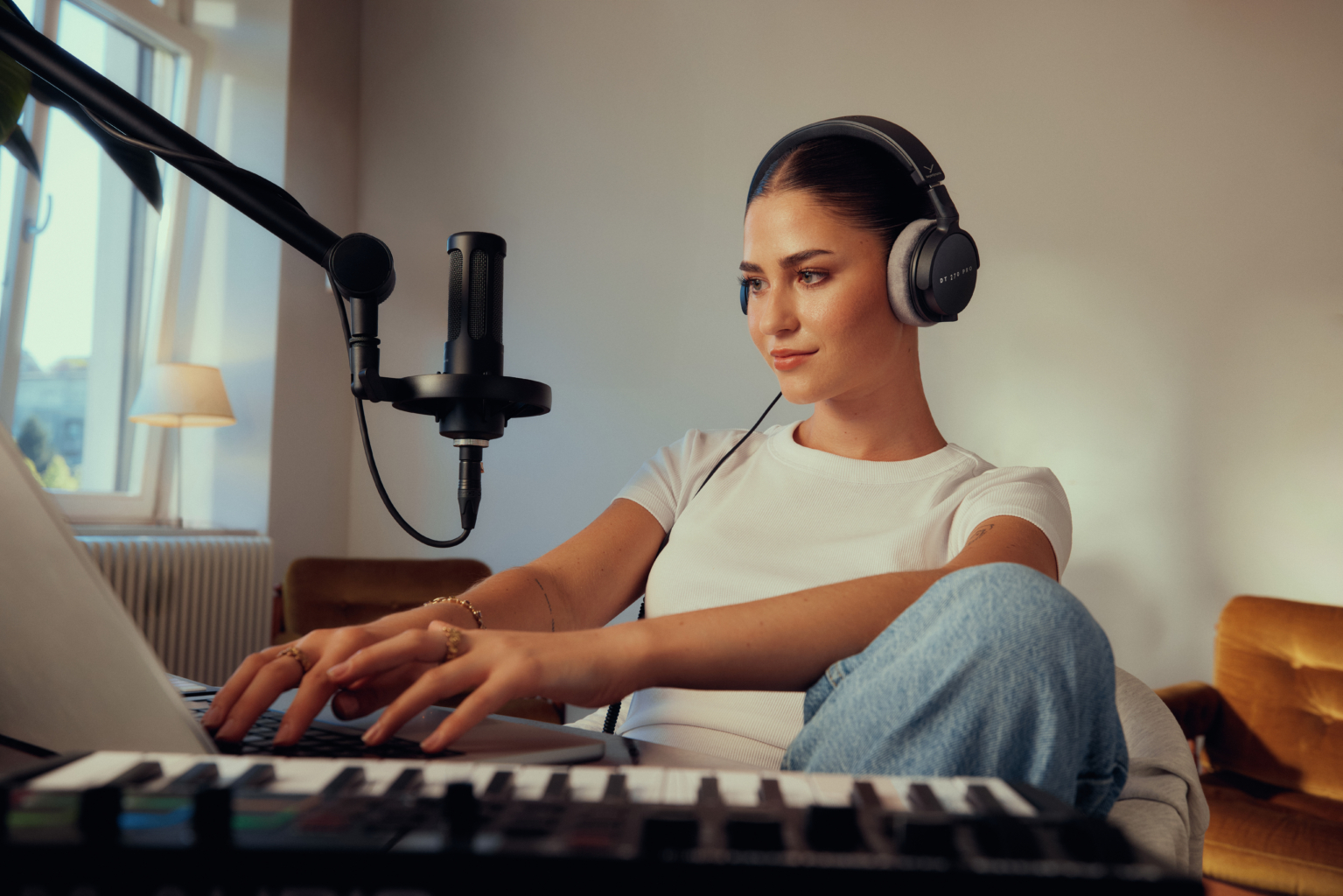
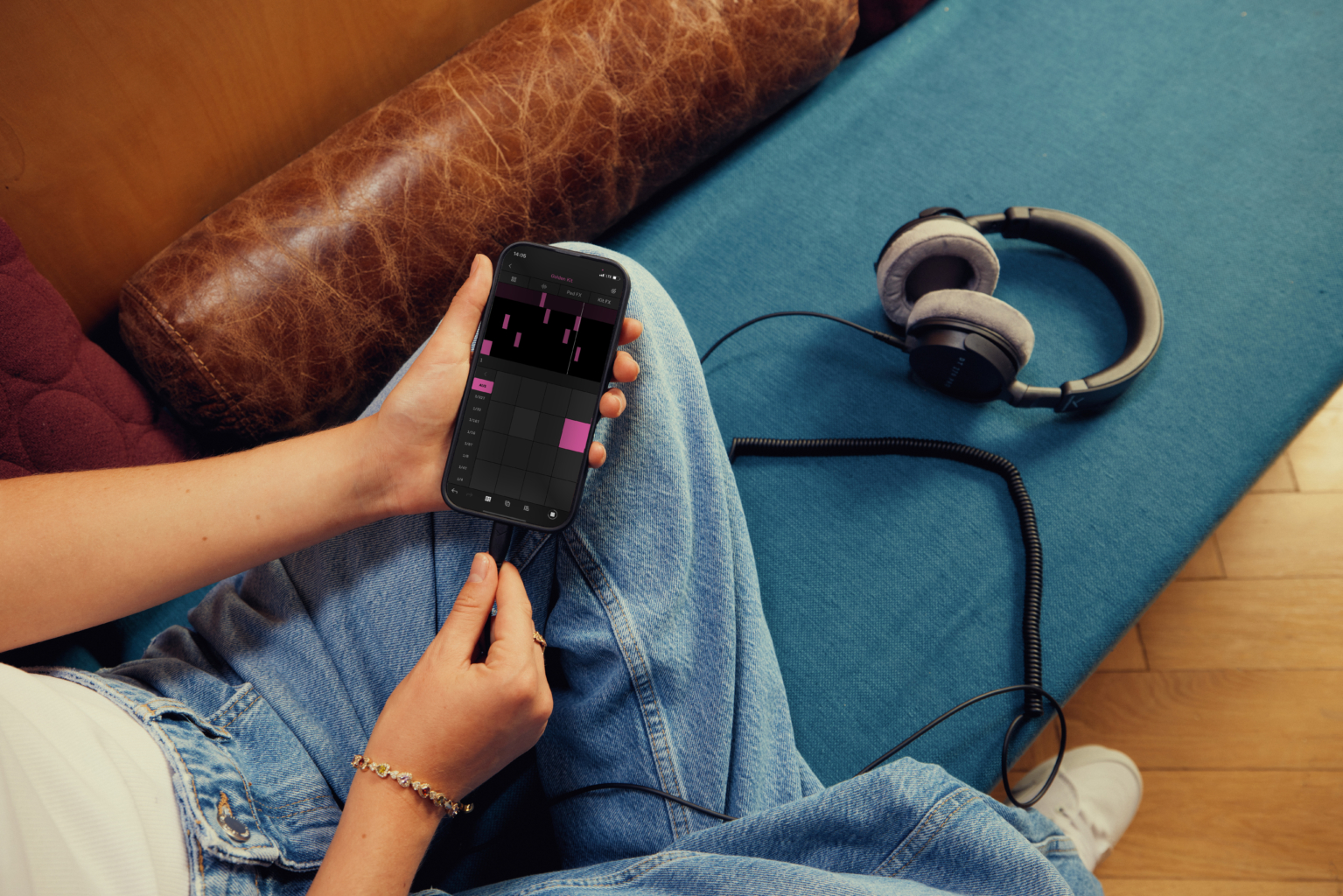
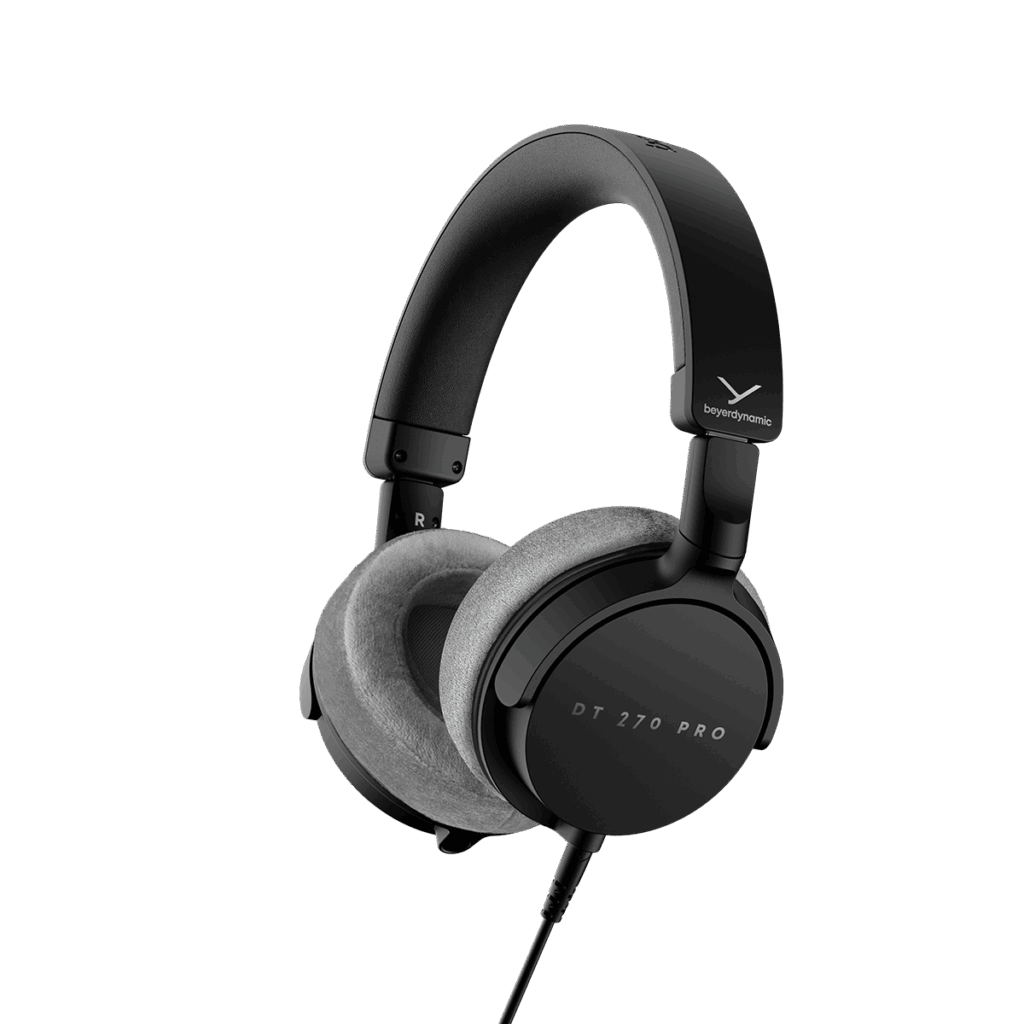
I’m personally very attached to my headphone setup, but recently I got to test the DT 270 PRO model. Initially I was skeptical, as I rarely switch headphones – but I was pleasantly surprised. I’ve now used them for both recording and post-production and find they deliver convincing sound and comfort, with a great price-performance ratio – definitely worth a try for beginners.


Pro Tips for Your Podcast

beyerdynamic Blog: As a podcast expert, do you have EQ tips for successful sound editing for beginners?

Michael: Listen to lots of reference material! Choose podcasts you enjoy and compare their sound profile to your own recordings – ideally using the same headphones you mix on. Then test your mix on different headphones and playback devices – especially those your listeners use daily. My typical rotation at the beginning was: studio headphones, AirPods, laptop speakers, and phone. This quickly reveals sound profile weaknesses and helps you learn how your headphones really sound.

Then: don’t over-engineer. Focus first on lows, mids, and highs, don’t boost too much, and work with broader frequency bands. Listen to lots of references until you hit the desired sound profile. And most importantly: the best mixing means little if the source material isn’t right – a good recording is always half the battle.

Do you want to learn more about how to start your own podcast? In our blog post In 6 Steps to Your Own Audio Format, we provide you with helpful tips on how to best get started with your podcast. Read more now >

beyerdynamic Blog: What are your tips for podcast beginners just starting out?

Michael: My tip for everyone starting out with podcasts: Just get going! Don’t overthink the technology or strive for perfection – what matters most is that you begin and publish your episodes. Consistency is key; most podcasts stop after the first episode! Listen to your own episodes, see what you can improve, and optimize step by step – that way, you’ll grow with every episode.

Current Trends

beyerdynamic Blog: What trends are you currently observing in the podcast world?

Michael: Right now, several key trends are shaping the development of the podcast medium. One major phenomenon is increasing professionalization: What began about two decades ago as DIY recordings in basements and living rooms has evolved into a growing commercial market. Large productions now operate at TV or film level – both in technical quality and in storytelling and dramaturgy.

In parallel, we’re seeing consolidation: production companies, marketers, and distribution platforms are joining forces, investing in established formats, and developing professional business models. This leads to a more structured market but also raises the bar for quality and brand development. Another clear trend is the integration of video. Podcasts are increasingly being produced as multimedia formats – often simultaneously as audio and video content for YouTube, social media, or other streaming platforms. The medium is moving beyond its purely audio-focused niche and becoming part of a cross-media offering.

Additionally, podcasts are increasingly being distributed via platforms like Spotify (thanks to video integration), YouTube, or even Netflix, rather than solely through traditional RSS feeds. It’s a development worth keeping an eye on. In summary: Podcasts are evolving from a hobby or niche medium into a professionally produced, cross-media, and heavily marketed part of the media landscape – with rising quality standards, growing economic relevance, and close integration with video and streaming platforms.

beyerdynamic Blog: What makes a truly great podcast for you?

Michael: After several years of podcast production, one thing has become especially clear to me: No matter how good the technology, sound, or video is – content must come first. What’s told and how it’s told is what really matters. A strong product always wins in the long run and naturally finds its audience. A great podcast always gives me something: conversations that move me, topics that inspire, insights that would otherwise remain hidden. And if I feel like I’m sitting at the table with the hosts, then that’s a truly great format for me.

DT 270 PRO - beyerdynamic
Mentioned products:

DT 270 PRO 
Compact studio headphone for recording and monitoring (closed)

DT 770 PRO - beyerdynamic

DT 770 PRO 
Reference headphones for control and monitoring purpose (closed)

Wie bewertest du diesen Artikel?

Rating: 0 / 5. Anzahl Bewertungen: 0

Did you find this article helpful?